DTRX Orthopedic Implants
1 / 5
The surgical technique of cannulated headless compression screws generally involves the following standardized steps:
Make a small incision (1-3 cm) near the fracture site, avoiding nerves and blood vessels. Gently separate soft tissues layer by layer to fully expose the fracture end.
Use manual traction, rotation, and lifting to restore anatomical position. Monitor continuously under C-arm fluoroscopy for accuracy.
Determine the entry point based on fracture location. Insert the guide wire under fluoroscopic guidance perpendicular to the fracture plane.
Use a dedicated measuring device over the guide wire. Ensure the tip is firmly on the bone for accurate measurement. Select a screw 2-4 mm shorter than measured.
Select an appropriate cannulated drill bit. Drill along the guide wire using irrigation solution for cooling. Check depth with an image intensifier.
Mount the screw head onto the compression sleeve and insert manually over the guide wire. Advance until the leading thread engages the far fragment.
Turning the sleeve closes and compresses the fracture. Advance the screw until the head is flush with the bone and trailing threads are fully buried.
Irrigate the wound with saline. Suture in layers (deep tissues then skin). Apply dressing and use a splint or plaster for fixation.
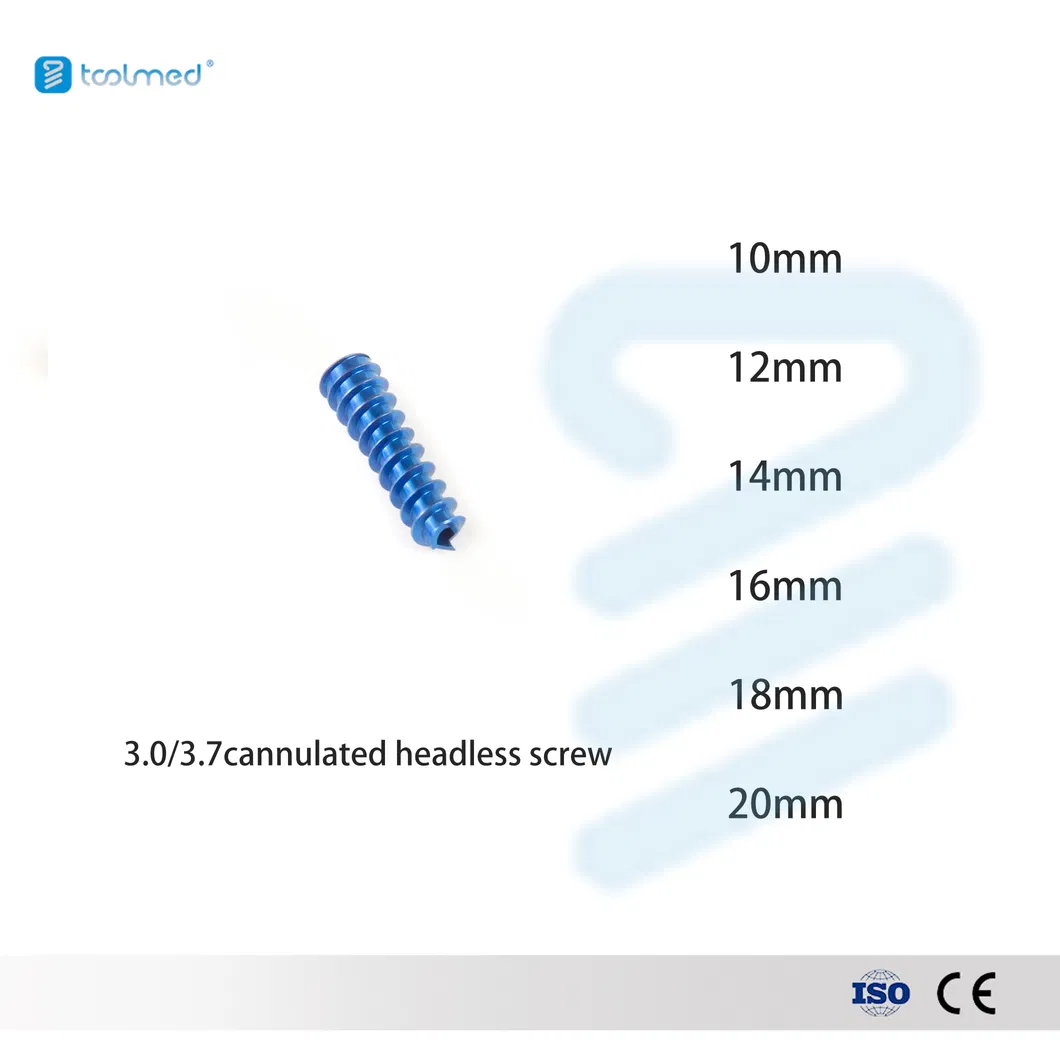
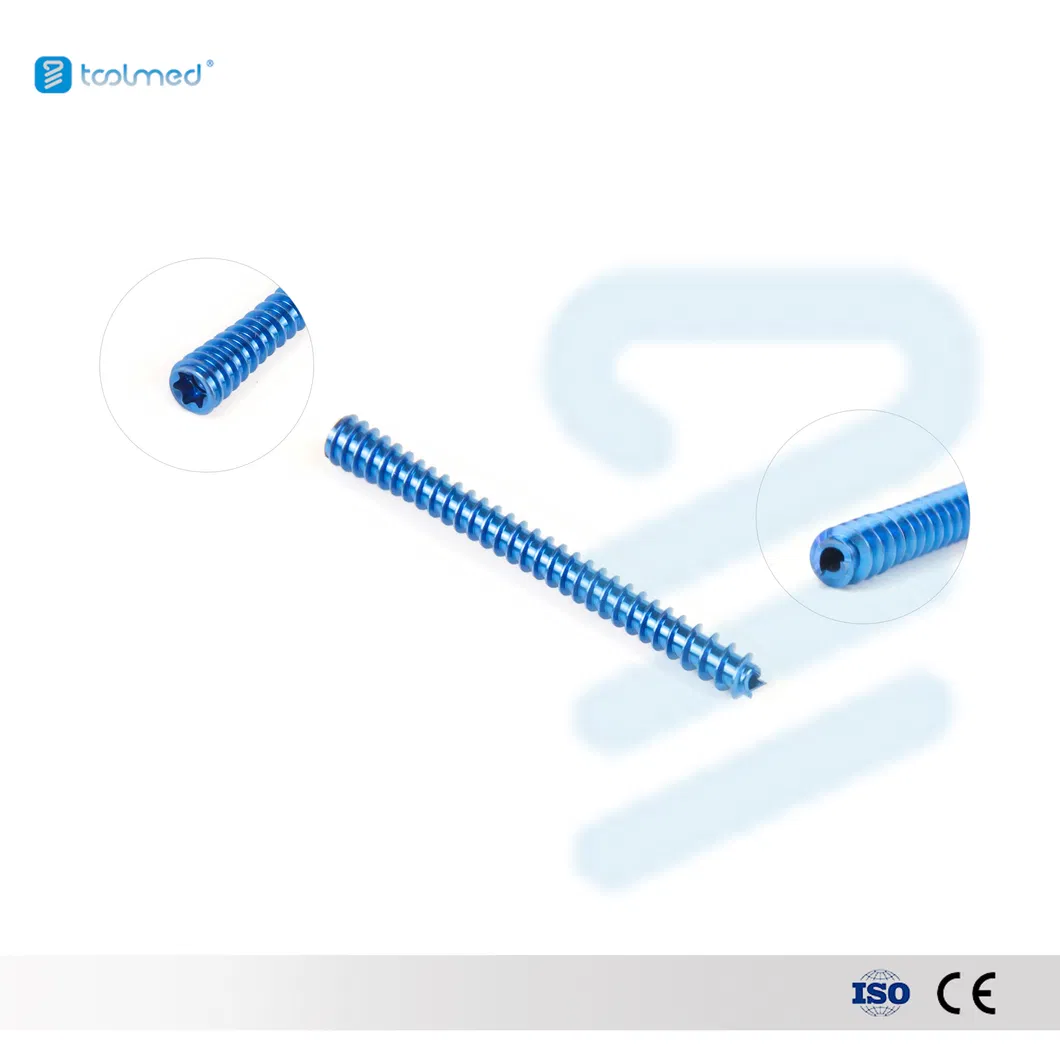
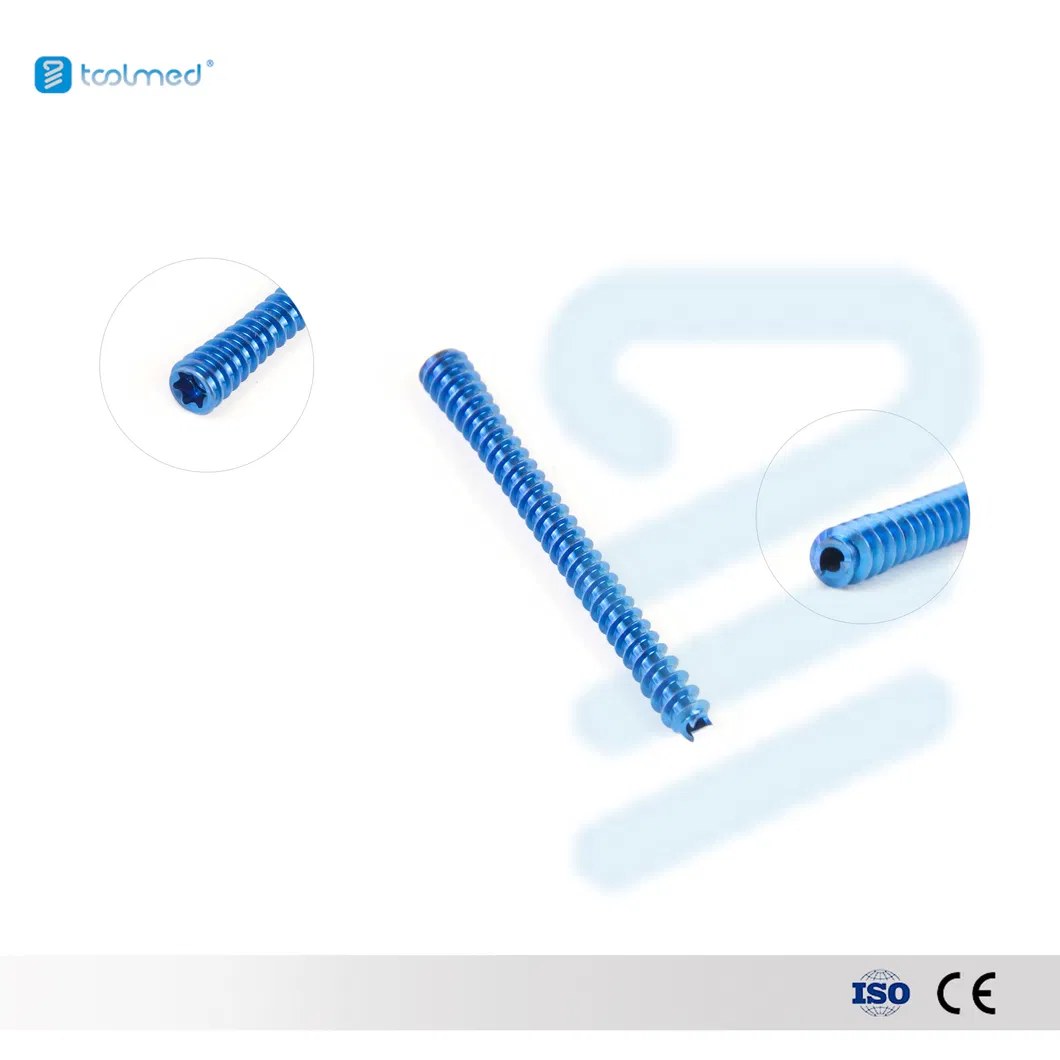
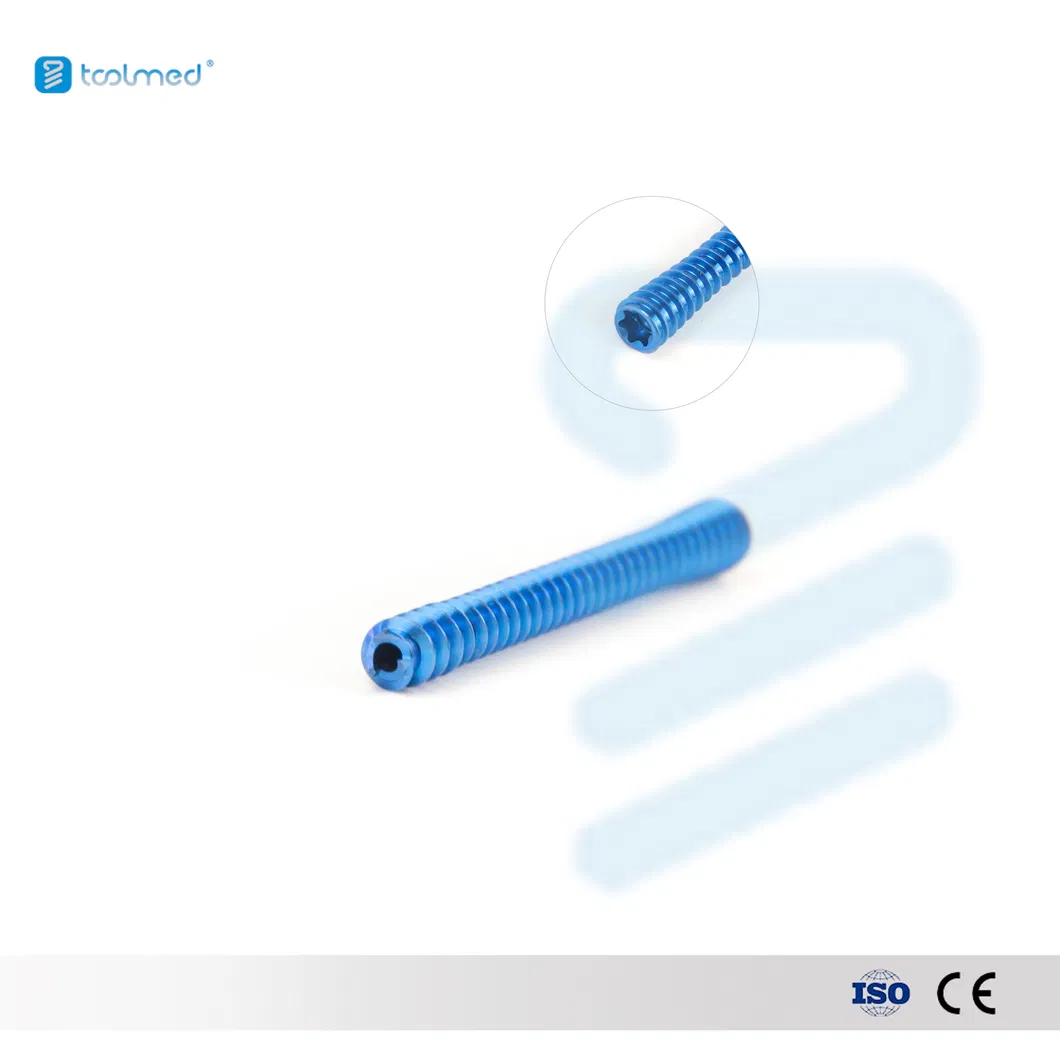
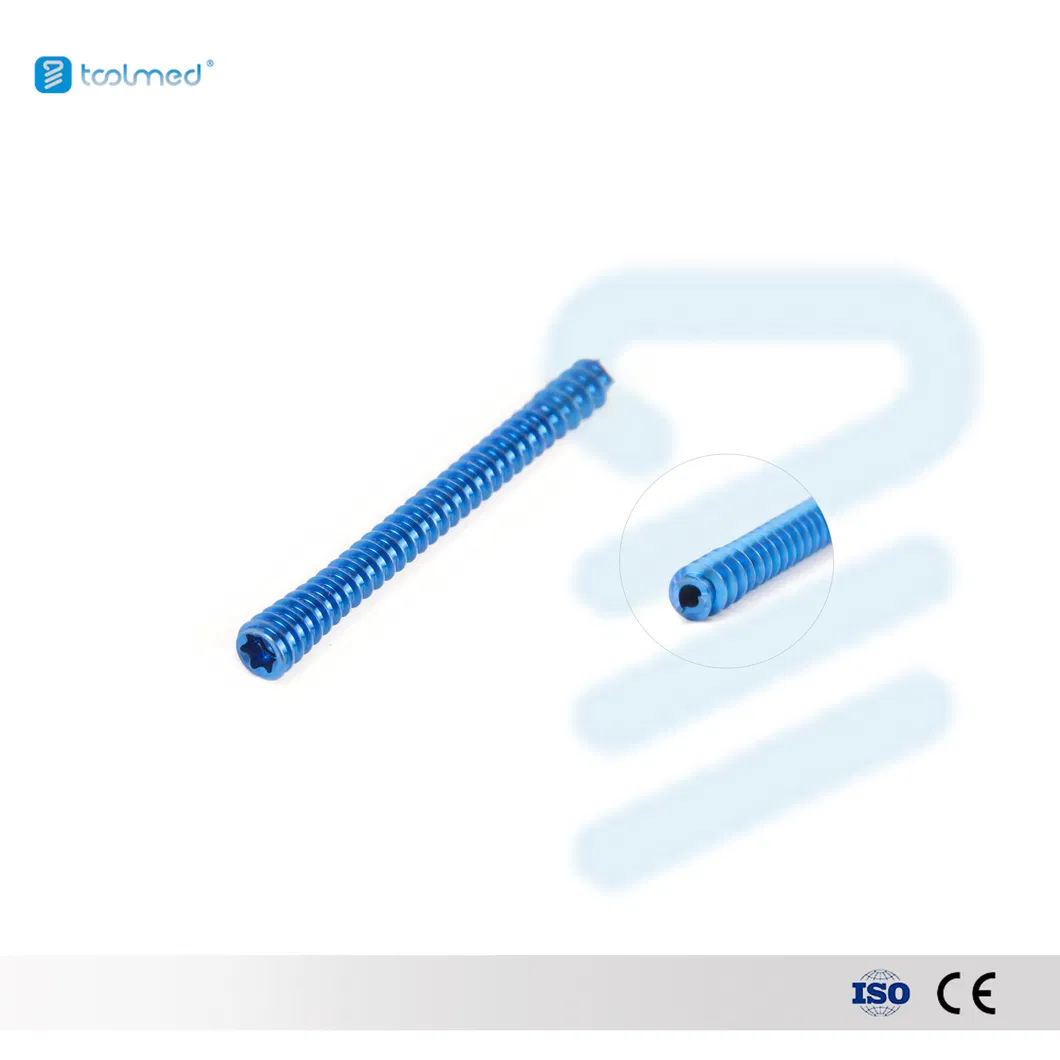
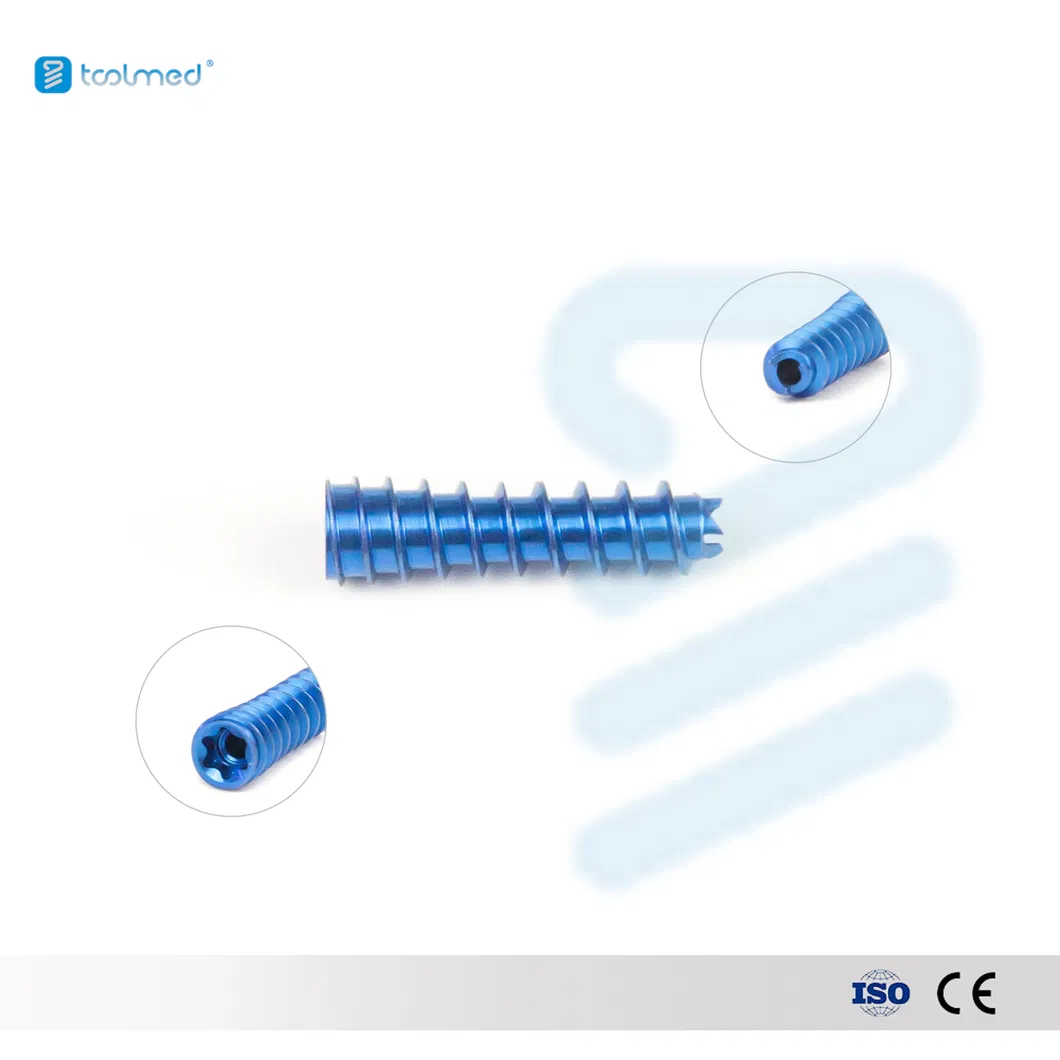
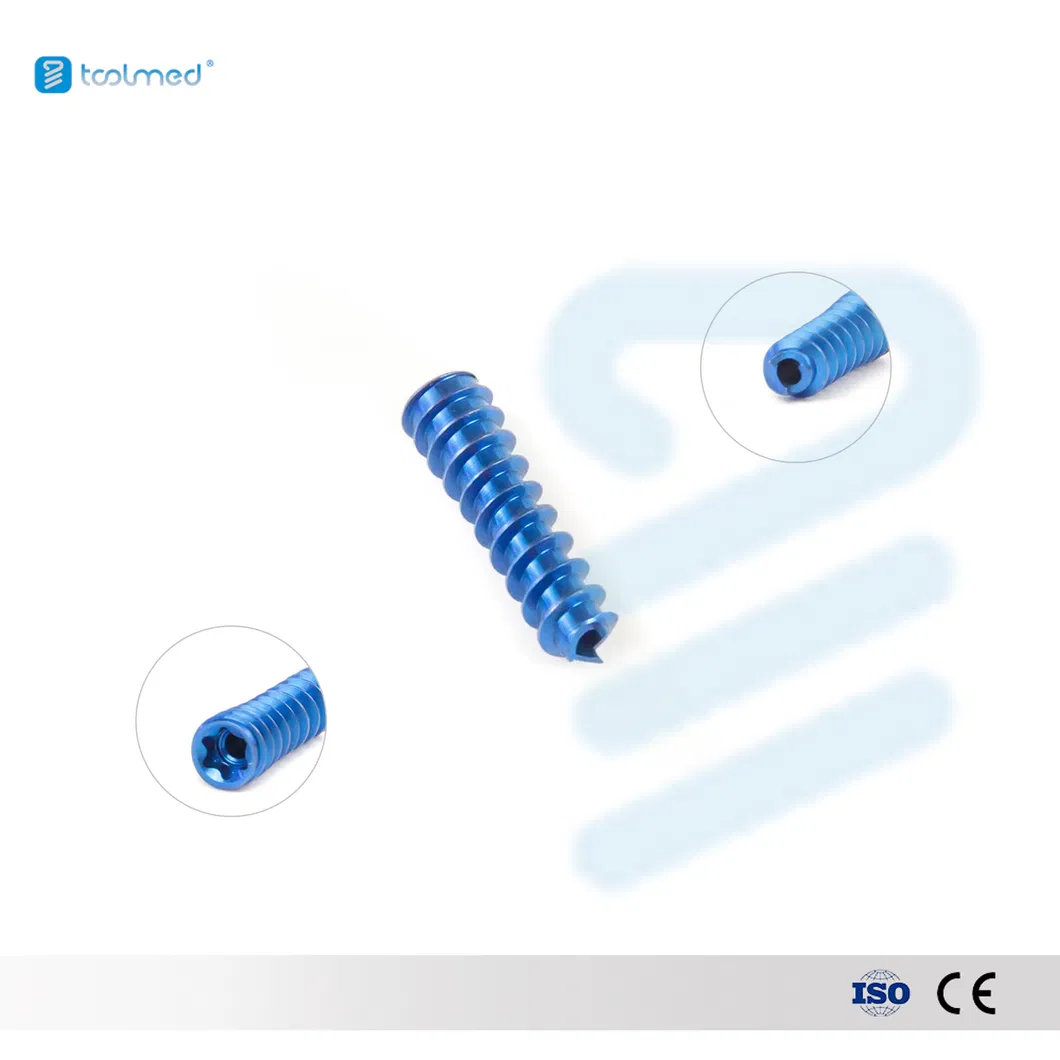
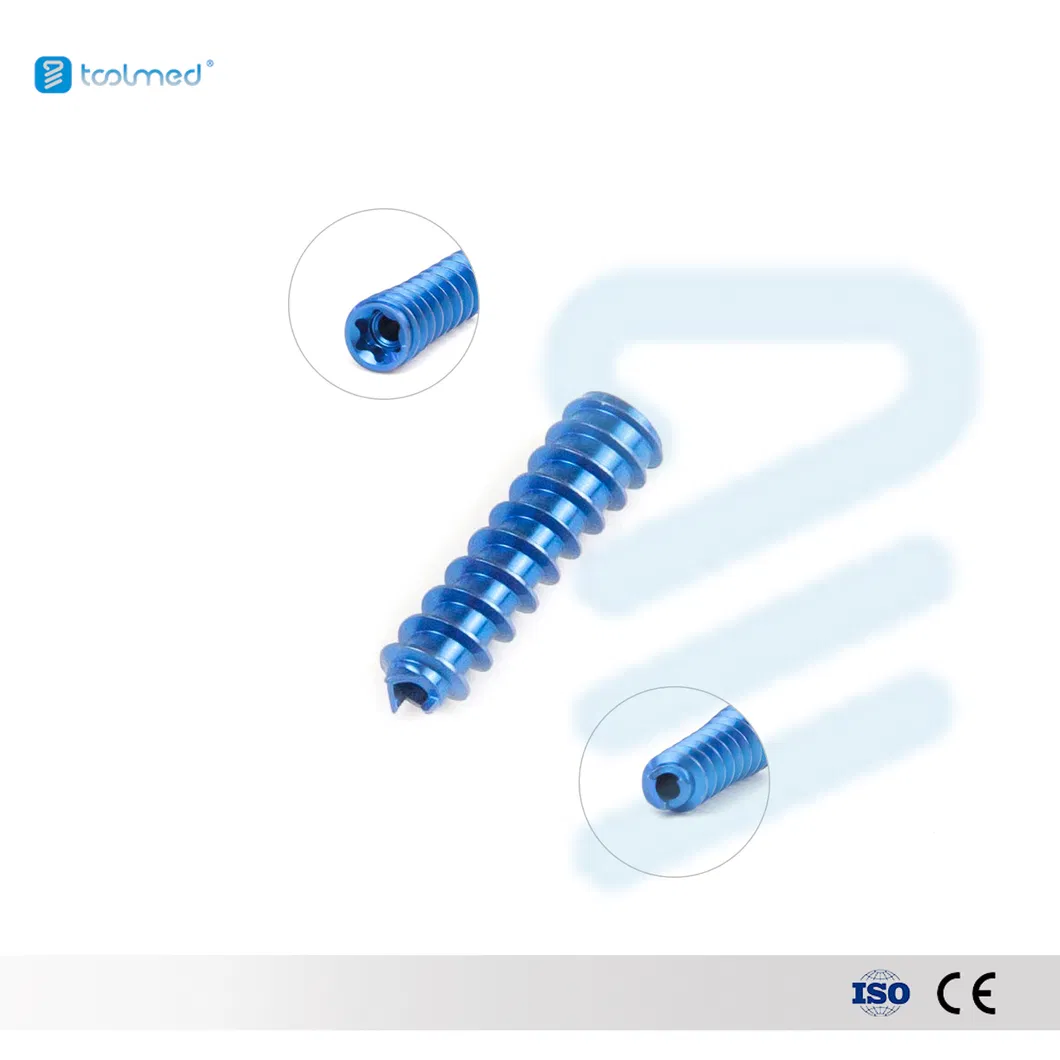
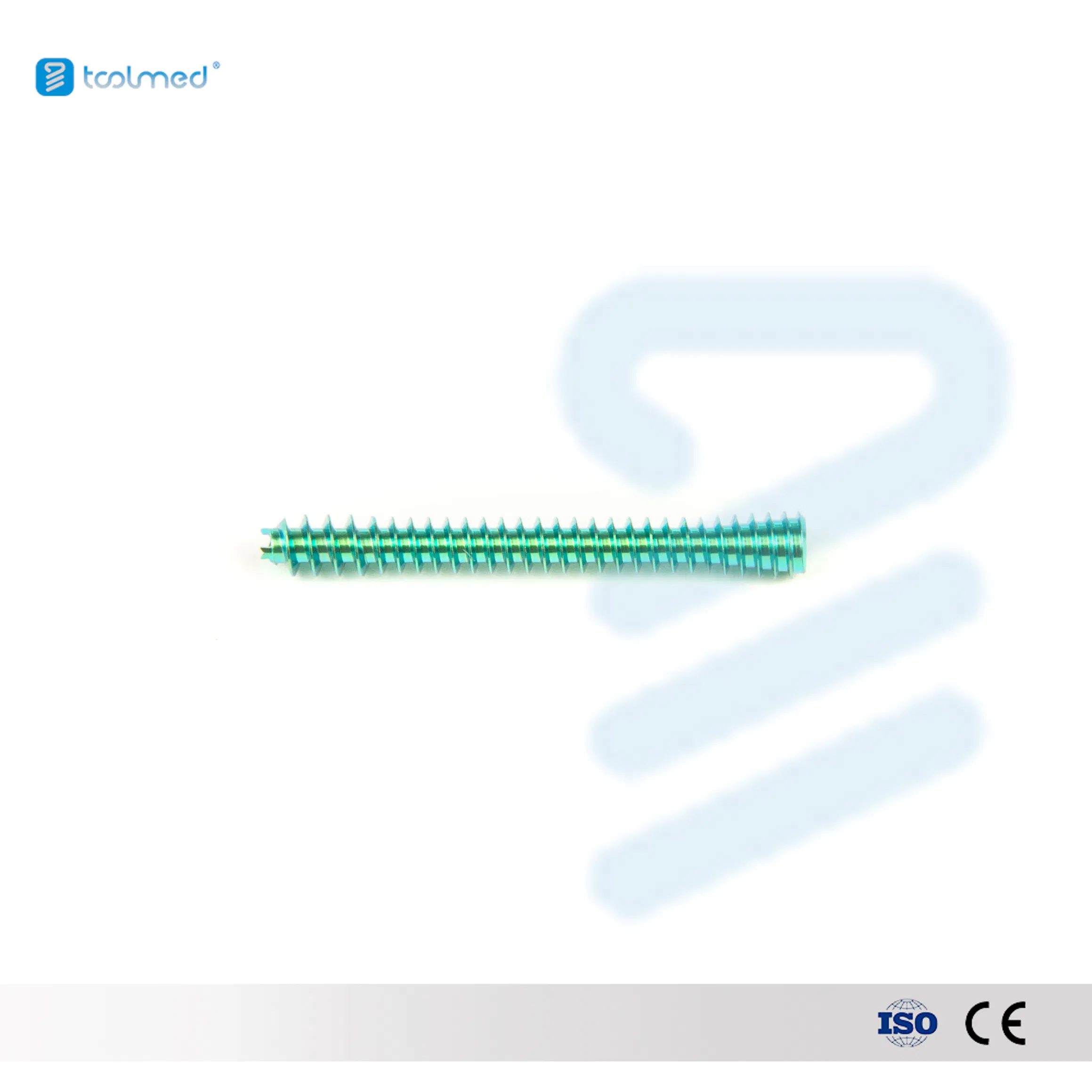
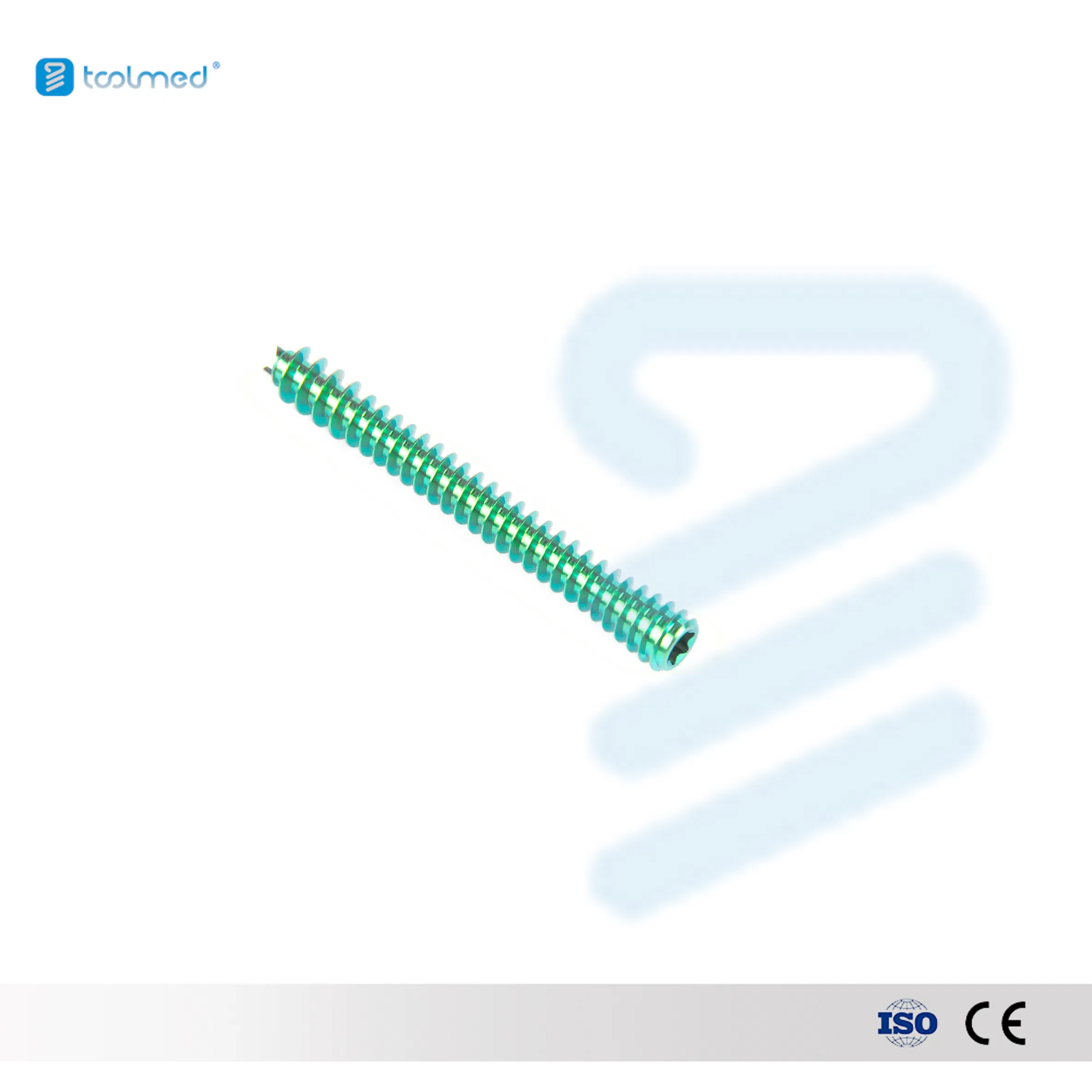
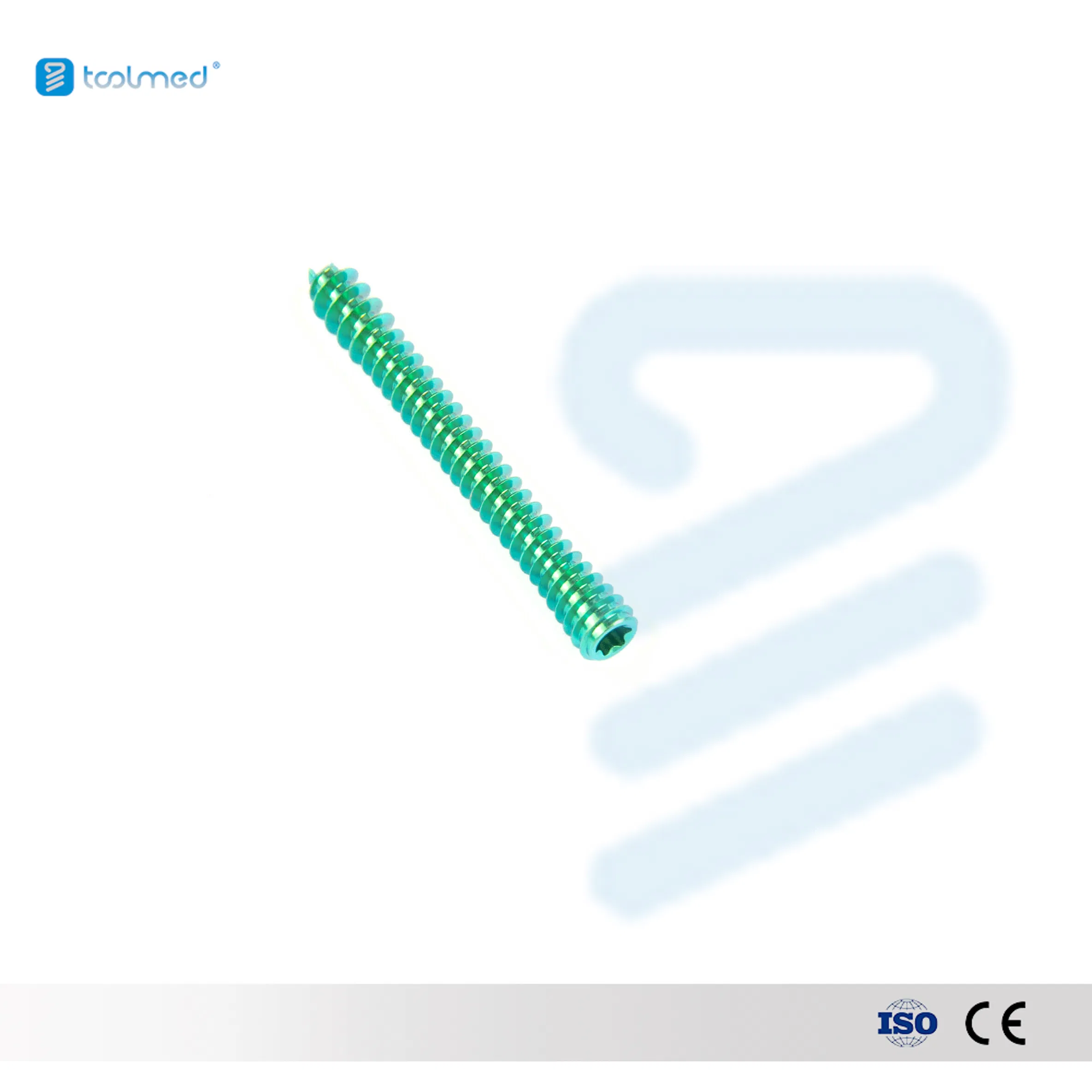
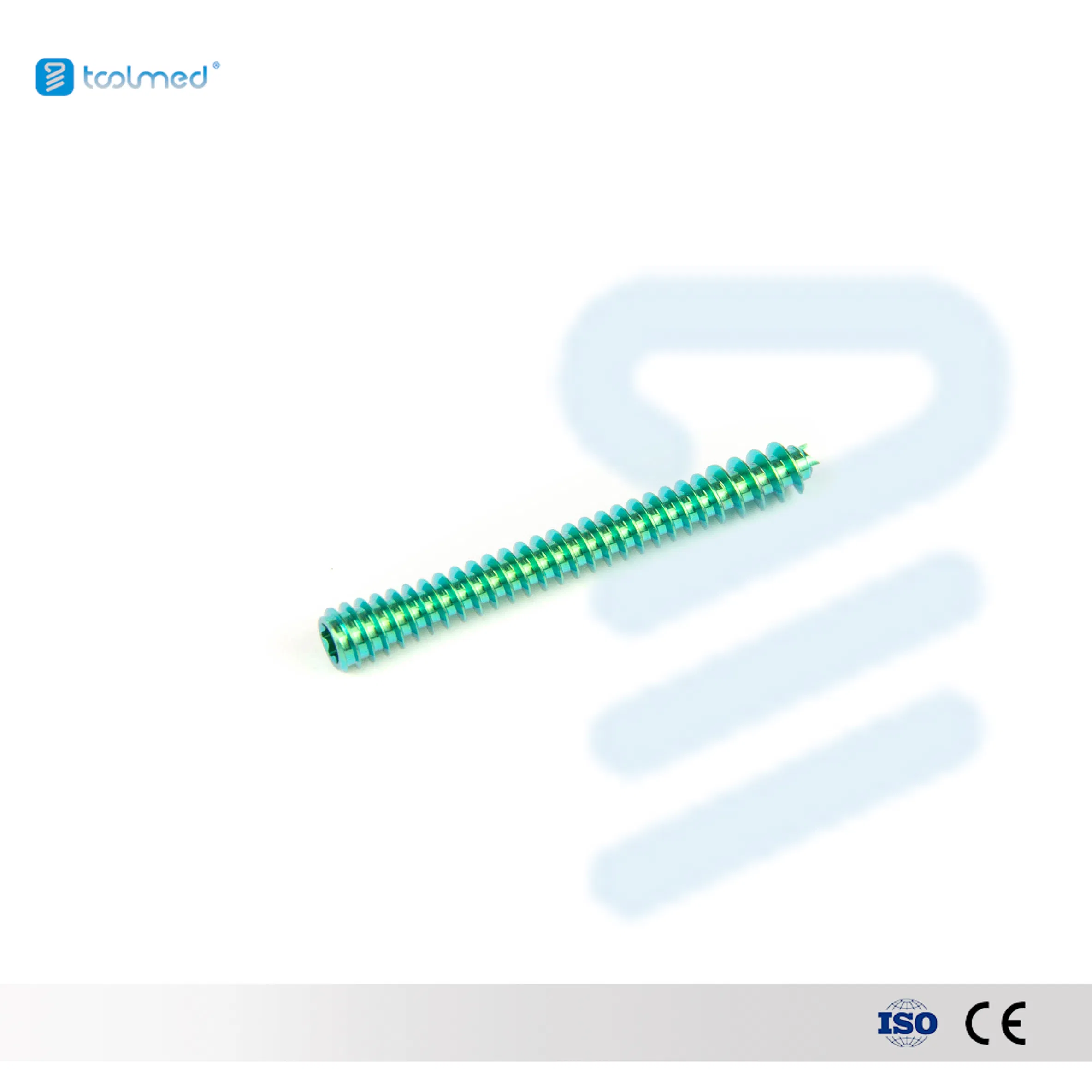
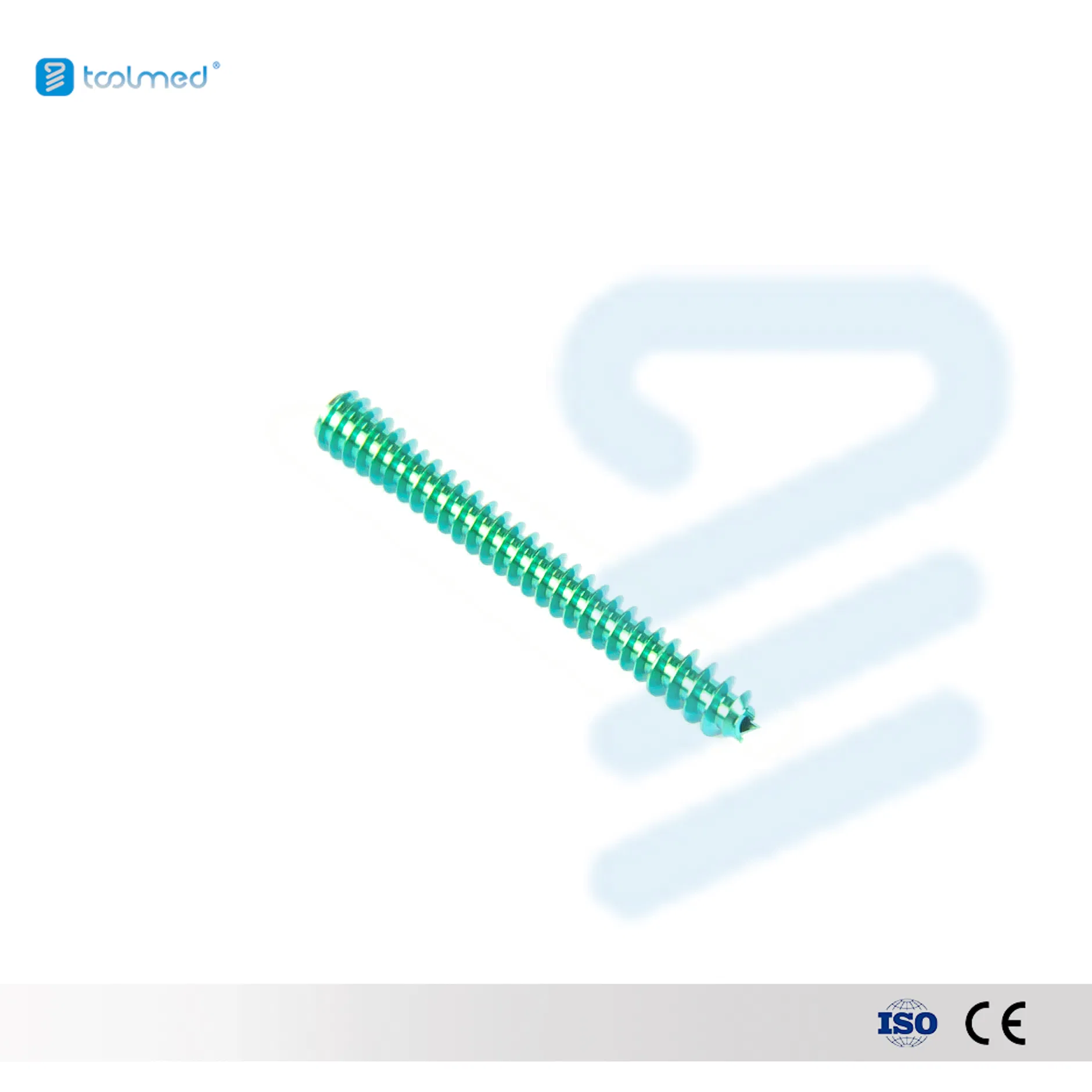
What is a Cannulated Headless Compression Screw?
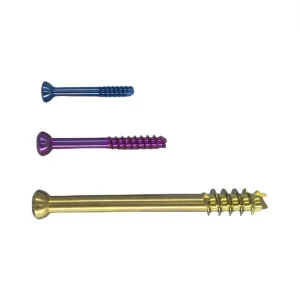
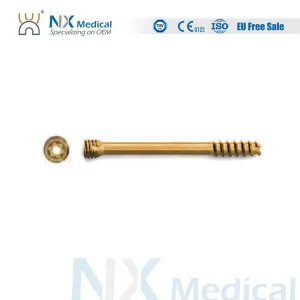
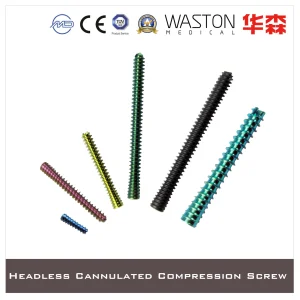
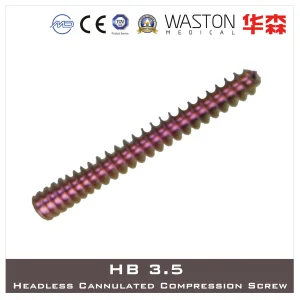
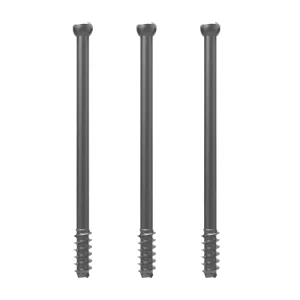
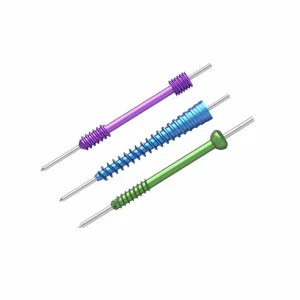
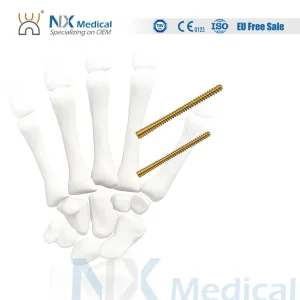
The Headless Compression Screw (CHCS) is a cannulated screw specifically designed for scaphoid and long bone fracture fixation. It generates compression across the fracture site prior to being countersunk below the articular surface, reducing the risk of soft tissue irritation.
Key Advantages:
Indications:
CHCS screws are primarily used for fractures in long bones (femur, tibia, humerus) and are exceptionally effective for spiral fractures, nonunions, and malunions.