The pricing of orthopedic implants is a complex issue. Many patients wonder, "Why do orthopedic implants prices vary from supplier to supplier?" Several factors contribute to these differences. Each supplier operates under unique circumstances. These may include production costs, quality control standards, and research expenses.
Furthermore, suppliers may target different market segments, leading to varied pricing. For instance, premium suppliers often invest in advanced technology and proven materials. This can increase costs, but may also enhance outcomes. Meanwhile, budget-friendly suppliers might reduce expenses in areas such as research or marketing.
Additionally, the regional market dynamics play a significant role. Geographic location affects transportation costs and local health regulations. A greater understanding of these factors can help consumers and healthcare providers navigate choices more effectively. However, this complexity can lead to confusion. Patients should seek guidance from trusted medical professionals to make informed decisions.
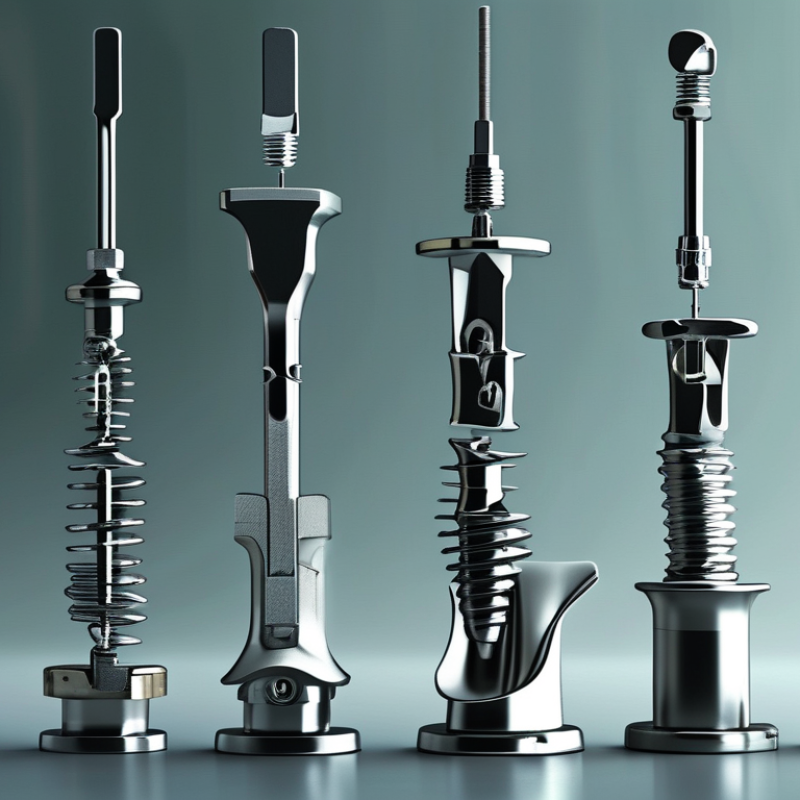
The pricing of orthopedic implants varies significantly among suppliers. This discrepancy often arises from multiple factors influencing their pricing strategies. One major contributor is production costs. Different manufacturers may utilize various materials and technologies, impacting how much they invest in R&D and production. This results in a wide range of prices for similar products.
Another factor is brand positioning and market perception. Some suppliers prioritize quality and invest heavily in marketing. Thus, their implants often carry a premium price tag. Others may focus on affordability, appealing to budget-conscious healthcare providers. This pricing strategy may reflect a company's target market and distribution channels. These choices can significantly affect market competition.
Moreover, regulatory compliance plays a crucial role in pricing. Suppliers must ensure their products meet stringent safety standards, which often demands additional resources. This necessity may lead to increased costs that get passed on to consumers. Understanding these complexities can help healthcare providers make informed decisions when selecting implants. Balancing quality and price is an ongoing challenge in this sector.
| Factor | Description | Impact on Pricing |
|---|---|---|
| Material Quality | The quality of materials used affects durability and performance. | Higher quality materials typically lead to higher prices. |
| Research and Development | Investment in R&D for new products can increase costs. | Innovative products may be priced higher due to R&D costs. |
| Supplier Relationships | Long-standing relationships may affect pricing strategies. | Established suppliers may offer better prices due to high volume. |
| Regulatory Compliance | Costs associated with meeting regulatory requirements. | More stringent regulations can lead to higher production costs. |
| Warranty and Support | Provision for warranties and customer support can influence costs. | Products with better warranty terms may be priced higher. |
| Market Demand | Demand levels can fluctuate based on healthcare trends. | Higher demand often leads to increased pricing strategies. |
| Distribution Costs | Logistics and distribution expenses impact overall pricing. | Higher distribution costs can raise end-user prices. |
The pricing of orthopedic implants can vary significantly across suppliers. One of the primary factors affecting these prices is the manufacturing costs involved. A recent report from the Orthopedic Device Market Research states that material selection, production methods, and technology used in manufacturing directly influence expenses. For instance, titanium implants tend to be pricier due to the complex machining processes required.
A study published by the Journal of Orthopedic Research highlighted that up to 60% of the costs are related to raw materials and production techniques. While some manufacturers invest in advanced technologies for precision and quality, others may cut corners. This discrepancy can directly impact both pricing and the long-term performance of implants. The report indicates that implants made with higher-grade materials often lead to improved patient outcomes, suggesting a trade-off in price versus quality.
Additionally, supply chain dynamics also play a role in the final price patients encounter. Transportation costs, tariffs, and supplier relationships vary widely. Research indicates that geographical location influences pricing significantly, with some regions encountering higher logistics costs. This variability raises questions about price fairness and accessibility for patients in need of these critical devices.
This chart illustrates the average costs associated with different components that influence the pricing of orthopedic implants. Variations in material, labor, overhead, research and development, and distribution costs play crucial roles in the final pricing structure offered by suppliers.
Supplier negotiations play a crucial role in determining the final prices of orthopedic implants. Each supplier has unique pricing strategies based on their costs and market position. These strategies influence the negotiation outcomes between hospitals and suppliers. Skilled negotiators can secure better deals, leading to lower implant costs. However, not all hospitals prioritize negotiations equally. Some may focus on convenience rather than price, impacting the overall cost structure.
Various factors impact negotiation dynamics. Supply chain efficiency, for instance, can influence pricing. Delays or inefficiencies can drive prices up. Additionally, the expertise of the negotiator is vital. Experienced negotiators often achieve better terms. They understand the market and can leverage competition among suppliers. Yet, even the best negotiators can face challenges. Supplier relationships may complicate negotiations. Long-standing partnerships sometimes hinder candid discussions about pricing.
Further complexities arise from the range of products offered by suppliers. Different implant types can vary significantly in price. The complexity of the implant design and technology can also play a role. Some suppliers may offer cutting-edge options at higher prices. This variability complicates the decision-making process for healthcare providers. They must balance cost against clinical outcomes. Negotiation skills and strategies are essential, yet not always perfected in every scenario.
The price variation of orthopedic implants is a fascinating subject. Market demand and competition play significant roles in determining these prices. When a specific implant is in high demand, suppliers often increase prices. This can be particularly true for innovative or cutting-edge implants that promise better outcomes. Conversely, when an implant becomes widely available or is perceived as a commodity, prices can drop.
Competition also shapes pricing strategies among suppliers. When many suppliers offer similar products, they may lower prices to attract customers. However, this isn’t always beneficial. In some cases, it can lead to corners being cut on quality. This raises questions about reliability. Consumers must consider whether the lower price reflects a compromise on performance or durability.
To ensure the best decision, research is essential. Investigate the quality of materials and manufacturing processes behind implants. Explore different suppliers and read testimonials. Engaging with healthcare professionals can also provide insights. Don’t rush the decision-making process for something as crucial as an orthopedic implant. Take the time to weigh the options thoroughly.
The prices of orthopedic implants vary significantly between suppliers, often influenced by regulatory and quality standards. Regulatory bodies, like the FDA, require rigorous testing for safety and efficacy. These processes can be costly and time-consuming, which contributes to higher prices for compliant products. A report from the Orthopedic Device Association noted that about 30% of the development costs go toward meeting regulatory standards. This investment reflects in the pricing.
Quality standards also play a crucial role. Manufacturers adhering to rigorous ISO certifications often have higher production costs. These costs are typically passed on to consumers. According to a recent study by the Medical Device Innovation Consortium, implants meeting higher quality standards can command prices up to 20% higher than those that do not. However, not all suppliers prioritize these standards.
The balance between cost and quality remains a debate in the industry. Some suppliers may choose to reduce investment in quality assurance to remain competitive. This raises concerns about long-term reliability and patient safety. Stakeholders must weigh these factors carefully, as the differences in pricing can impact overall healthcare costs. Understanding these dynamics is essential for informed decision-making in selecting orthopedic implants.
: Manufacturing costs are a primary factor affecting prices. This includes material selection and production methods.
Titanium implants require complex machining processes, leading to higher manufacturing expenses.
Up to 60% of the costs are associated with raw materials and production methods.
Factors like transportation costs, tariffs, and supplier relationships can vary and affect final prices.
Some regions face higher logistics costs, leading to significant pricing differences for implants.
High demand for specific implants often leads to price increases from suppliers.
Prices tend to drop when implants are widely available or perceived as low-cost options.
Yes, competition can drive prices down, but it may lead to compromises in quality.
Researching materials, manufacturing processes, and supplier reputations is crucial for informed choices.
Orthopedic implants are critical. Taking time ensures better outcomes and quality assurance.
The article "Why Do Prices of Orthopedic Implants Differ Between Suppliers?" explores various factors that shape the pricing strategies for orthopedic implants. Key influences include manufacturing costs, which can dramatically affect pricing based on materials and production methods. Additionally, supplier negotiations play a crucial role in determining costs, as varying degrees of agreement can lead to price differentials across the market.
Market demand and competition also significantly impact implant pricing, with suppliers adjusting prices based on consumer needs and rival offerings. Furthermore, regulatory and quality standards impose additional costs that must be reflected in the final prices. Overall, understanding "why do orthopedic implants prices vary from supplier to supplier" involves examining these intertwined elements that contribute to the diverse landscape of implant pricing in the healthcare sector.

DTRX Orthopedic Implants